"Northeast Tiger" is focusing on the pure northeast style in the film.
Special feature of 1905 film network After the misty mining area, there is a country with no trace of snow. After the innate humor, there is silence to drown one’s sorrows. After the gnashing of teeth, there is the pleasure of meeting and laughing. After the derailment of passion, there is a return to reminiscing about one’s origins … … Directed by the director and starring in the black comedy film, it was released on January 14th, with a strong northeast flavor of the post-industrial era.
A fierce attack on the Northeast Tiger
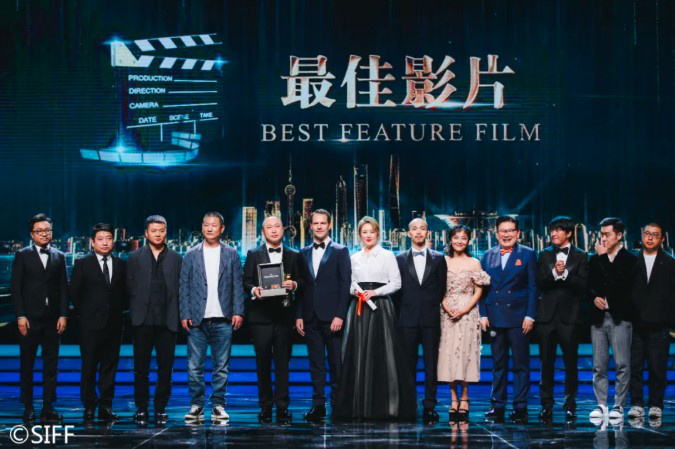
"Northeast Tiger" tells a black humorous story about a Northeast tiger who is content with the status quo, a dog who suffered an accident, a forklift driver who derailed, a poet trapped in spirit, a debt collector trapped in reality, a pregnant woman looking for a mistress, and a mistress who is desperate. On June 19th, 2021, this film won the best film Golden Goblet Awards in the 24th Shanghai International Film Festival.
The jury commented that the film "shows the living conditions of ordinary people and their yearning for the future in the period of social change with symbolic comedy." Mary, the leading actor, said that the creative process of director Geng Jun was not easy, and he hoped that "Northeast Tiger" would be seen by more people next. Zhang Yu, the leading actor, quoted a line from the movie, "Let’s celebrate today and tomorrow will be interesting!"
"the northeast"Hegang universe"
Director Geng Jun is a native of Hegang, Heilongjiang Province. Before that, there have been many northeast movies such as Youth, and his works are gradually forming his own "Hegang universe". According to Shadan, a film critic, "The loafer in Youth has now grown into a sad middle age, just like the Siberian tiger in a cage, with no more life but silence." Some people even praised Geng Jun as "aki kaurismaki in the Northeast", and both of them turned their eyes to their cold hometown. Their works were full of cold humor, refined lines and point-to-point editing.
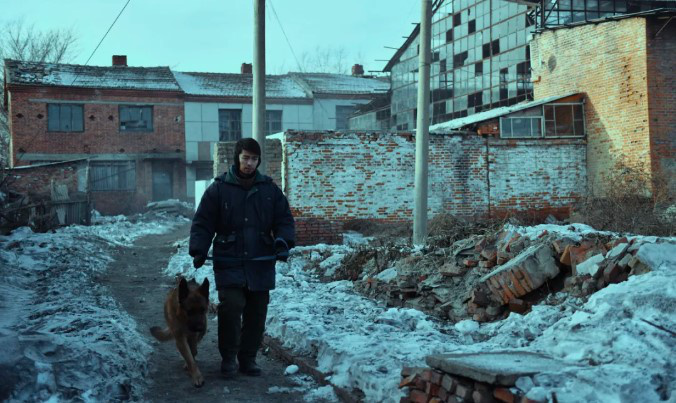
Nostalgia in Northeast China on the tip of her tongue
Another major feature of this film is that it fully shows the Northeast specialties with different scenes: frozen pears, frozen persimmons, melon seeds, sweet potatoes, fried hairtail, braised fish and white wine … … From the first scene of the film’s opening, director Geng Jun directly presented his favorite frozen persimmons and pears to the audience, including the crisp sound of breaking the layer of ice on them before eating, which was warm and familiar to him.
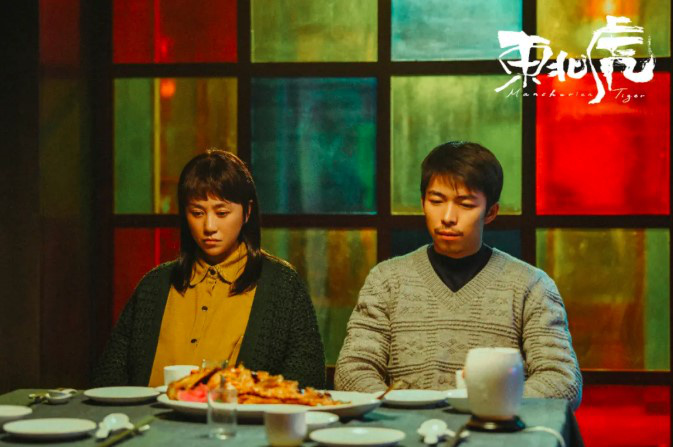
Fresh northeast couple
In the view of director Geng Jun, "the words describing the Northeast in news reports are too cold, but those who breathe in winter are alive." As a result, the film created a real and lively couple in Northeast China, and also enabled the male and female protagonists Zhang Yu and Mary to achieve a breakthrough in role interpretation. Zhang Yu is different from Zhong Huang Mao’s stubbornness and deep affection, from Zhong Hu Guangsheng’s mania and sincerity, and from Zhong Song Hao’s simplicity and enthusiasm, and deduces a kind of introverted life that belongs to northeast men alone.
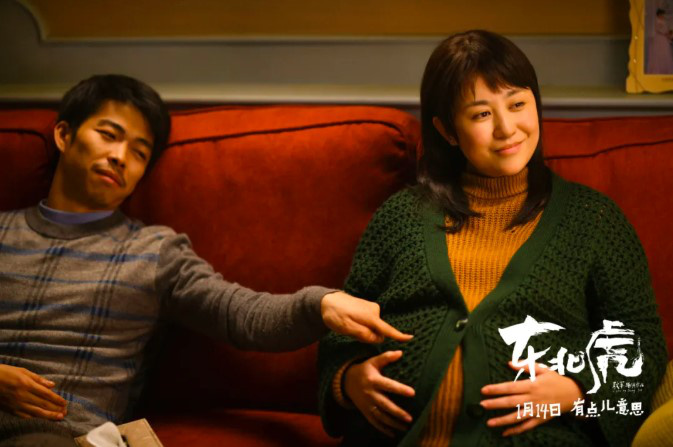
Mary has undergone a thorough transformation, completely getting rid of the shackles brought to her by the "Queen of Comedy in Northeast China" and completing a new attempt for a comedian to "de-comedize". As director Geng Jun said in an interview, Mary said that she was a drama character this time, and she liked it very much, so she had to make different attempts.
Two tigers, two jobs and two outbreaks
Zhang Yu’s male caller is Xu Dong, the East of Northeast China and the East of Northeast Tiger. The only tiger in the zoo is 19 years old, and Zhang Yu also has a saying at the end, "I caught a bad cold when I was 19 years old … …” In this way, the people in the city and the tigers in the zoo have formed an intertextual background with film literariness.
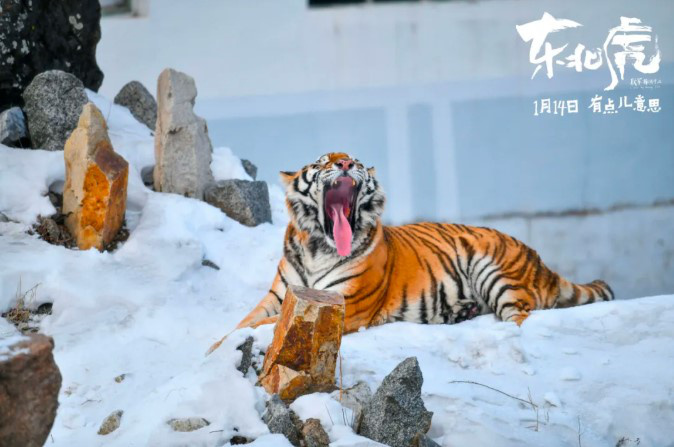
Xu Dong has two jobs, driving an excavator in the mine during the day and working as a boarding house in the school at night. During the day, he will have a private meeting with the young mistress played by Luna in the excavator; In the evening, he went to bed with Lao Luo, a poet teacher who was discharged from a mental hospital. The dual identity shows his character of not taking the initiative and refusing. He doesn’t want to refuse the entanglement of mistress, and he can’t bear to refuse the help of his friends. This character lays the foundation for him from forbearance to revenge in the future.
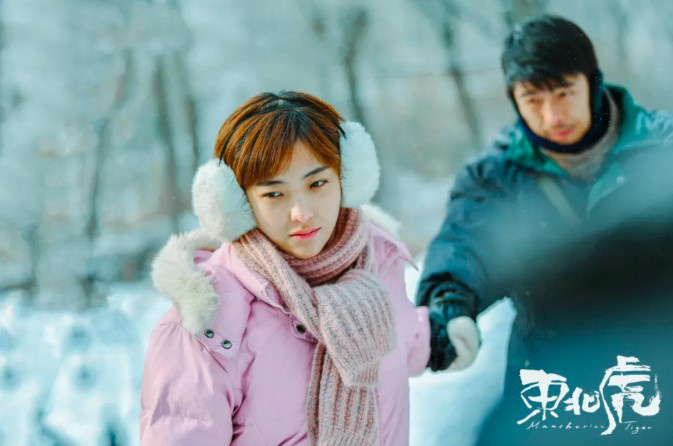
In such a quiet life to death, two emotional outbursts finally appeared. One is that Xu Dong, who has been depressed all the year round, revenges his dog, thus discovering the secret of Ma Qianli, who is both a debt collector and a debt dodger, and then uncovering the scars of the economic depression in Northeast China; One is Mary’s wife who is uneasy about the future. She discovers the evidence of Xu Dong’s infidelity, searches for women who have had stories with Xu Dong, and finally declares war on Xu Dong and Xiaosan.
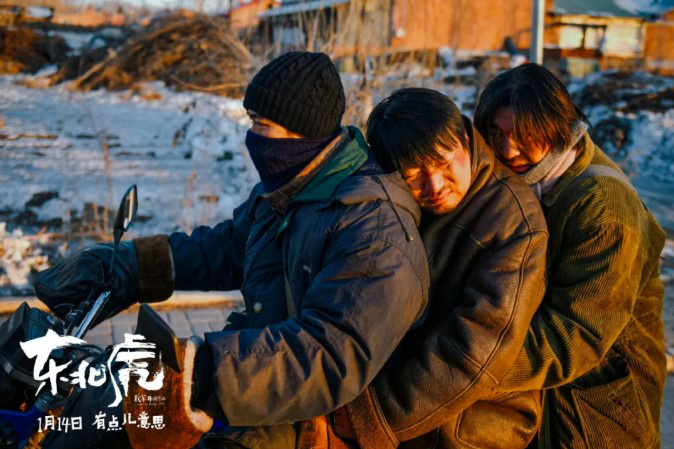
At the end of the story, Xu Dong chose the latter in anger and tolerance, and chose to "survive today" with Ma Qianli and Lao Luo. He sent his wife in labor to the hospital and thought of his mother. At this point, his 19-year-old and the 19-year-old of the Northeast Tiger became one, and his loneliness and the loneliness of the Northeast met here.
Past events in Northeast China on the screen
For the Northeast where "light industry live broadcast and heavy industry barbecue", multiple types of domestic films have been looking for their own way of "Northeast Renaissance".
Released in 2008, it shows the real life of small people at the bottom of small towns in Northeast China by almost documentary realism, and reflects the life of ordinary people in the bustling market, demolished buildings on the street and small casserole in plastic shed. It not only tells a story with tears in laughter, but also faces life itself directly.
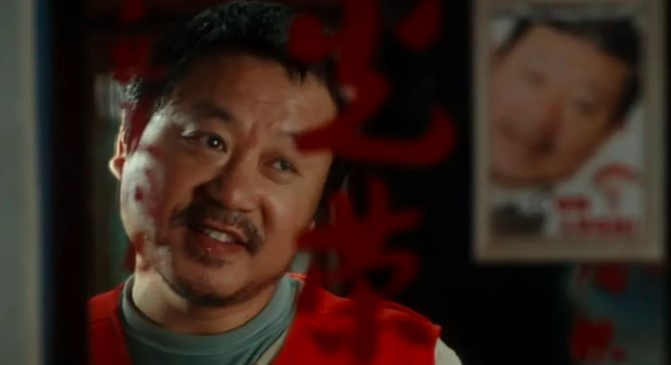
In 2011, it showed a laid-off father in Northeast China casting a "steel piano" full of fatherly love for his daughter with steel abandoned by the factory, especially the scene where all the workers were casting pianos in full swing in the factory, which set off the warmth beyond the hard life, expressed humanistic care for reality, and remembered and recalled a lost era and a group of old people.
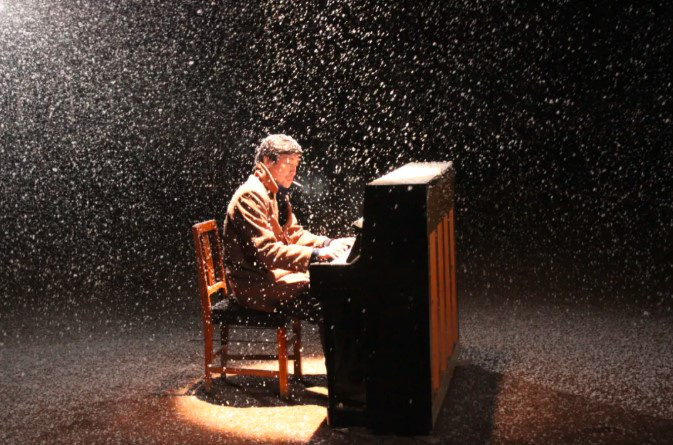
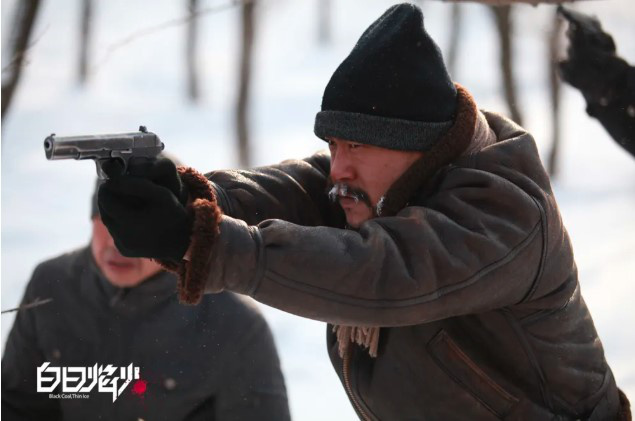
The winner of the Golden Bear Award in 2014 told a story about a crime that happened in the world of ice and snow. On the basis of showing emotional restraint, the literature and art combined with business to complement each other. With almost original performances, the actors slowly stirred up the hidden undercurrent in that quiet northeast town and turned it into a melodious hymn of life.
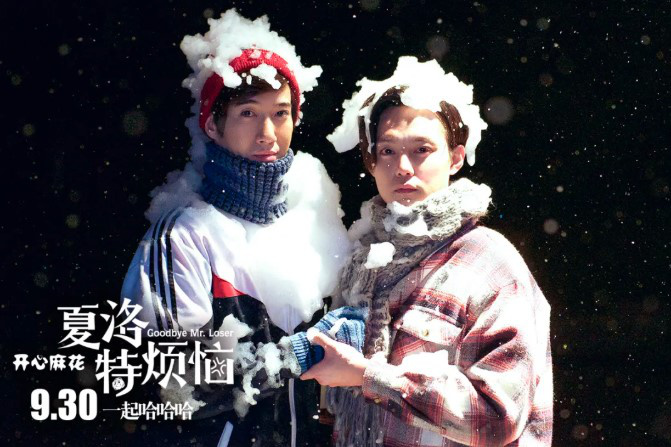
In 2015, it was a magical reality comedy based on campus life in Northeast China and love stories in Northeast China. It told the theme of "love and dreams" in laughter and tears, witnessed the unforgettable time in youth in hilarious and moving, and finally settled on the realistic level, thinking and discussing the value, happiness and the meaning of success of life.
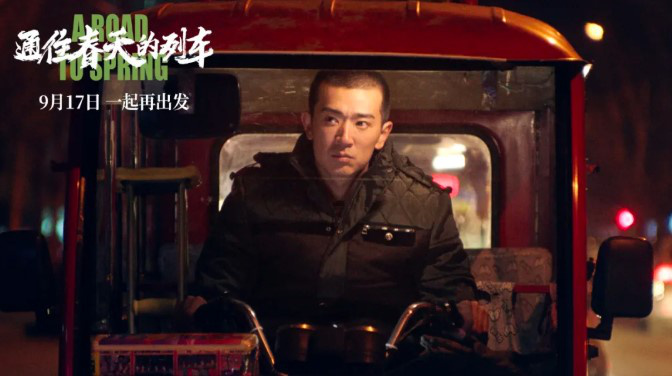
From 2019 to now, the "Northeast Renaissance" on the screen has entered a blowout period. In that year, under the cloak of black comedy, the life flow paragraphs such as the homely dinner in Northeast China, the family landscape of poor couples and the ecology of scooter "rider" were displayed, which reflected the most real life state of contemporary ordinary youth in Northeast China.
In 2020, the director aimed the camera at himself and his family in Northeast China, trying to restore or present a Chinese family. The life details of the film are quite rich, which vividly presented "every family has its own experiences that are difficult to miss", making the film a realistic theme work with tangled ethics but no loss of warmth, which aroused the audience’s resonance and thinking about family ties.
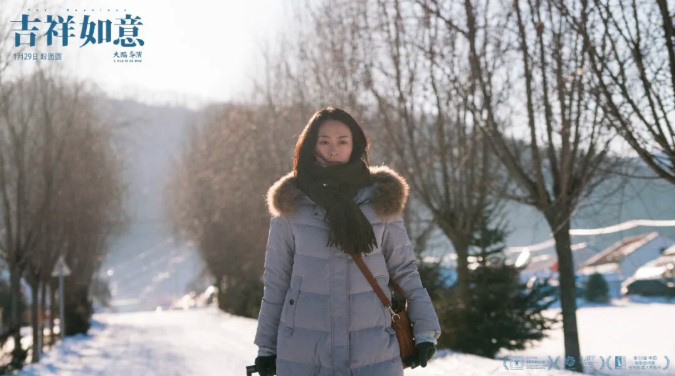
In the National Day file, "The Magic Pen Liang Ma" plays the life choice of a grass-roots cadre in a rural area in Northeast China. Based on the local complex, it truly reflects the real refraction of the great development of the great era in laughter and tears, depicts the picture of a well-off life and eulogizes the achievements of getting rid of poverty.
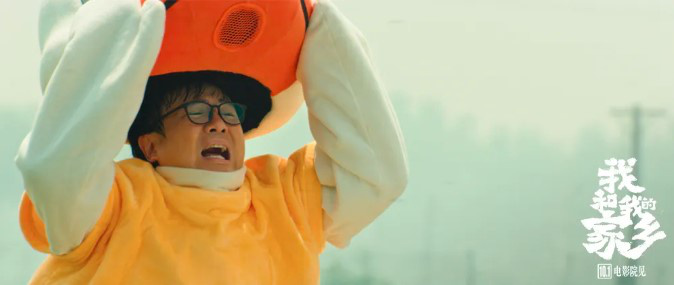
In the same year, it was a prose poem dedicated to mother. Through the smooth and natural life flow scene and sharp and precise lines, the life style and various worldly phenomena of people of various status classes in Northeast China are fully displayed, the life and death and dignity of the elderly are focused, and the mental stress and life dilemma of young men are directly hit, revealing the realistic problems such as the contradiction of generational replacement of workers in state-owned factories and the next generation’s gnawing at the old.
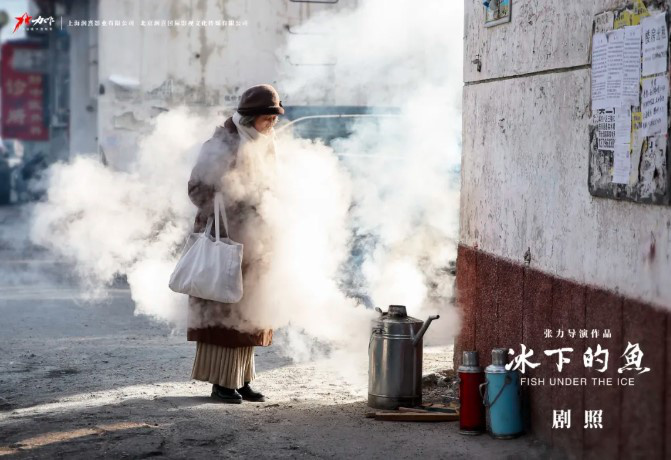
In this way, a picture scroll of Northeast literature and art slowly unfolds on the big screen, with the flavor of Northeast life and humanistic color in the new era. As Geng Jun, director of Northeast Tiger, said, "Where culture is respected, there will be light". Perhaps this is the key to the "Northeast Renaissance".