Controversial "Director’s Advice": What rules should be followed when shooting behind-the-scenes variety shows?

Wen | Ma Er
In 2017, Zhejiang Satellite TV launched "The Birth of Actors", which marked the official appearance of acting competition variety. For the audience at that time, this program "Choosing Actors on TV" was really new. Regardless of the bursting of acting skills, the shoe-throwing incidents in Zhang Ziyi and Liu Ye alone are quite lively.
But perhaps no one thought that this was just the beginning. With the first crab eater, followers who see the heat will inevitably follow quickly. As a result, a series of acting competition variety shows appeared one after another.
Actor in Place, Actor’s Character, Acting School … Although the rules are different and the tutors are different, we can also see their similarities from the titles of these films. The audience is also confused by more and more homogenization plots, and often recognizes Feng Jing as Ma Liang, putting the hot spot of this variety show on that variety show.
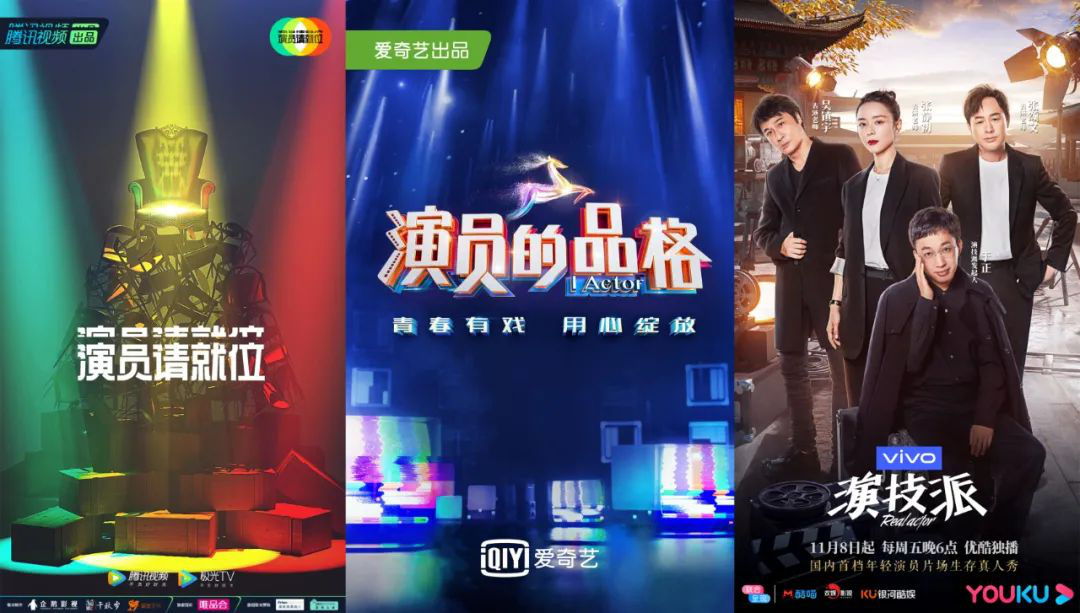
If you are poor, you will change, and if you change, you will pass. Since the popularity of acting competitions has declined, it is natural to develop new rules of the game. People in front of the stage are not interested. What about behind the scenes?
"Please advise the director" came into being at the right time. However, compared with the public enthusiasm when the acting competition variety just came out, this program that dared to "teach the director" has suffered from Waterloo. From Weibo to Douban, from Zhihu to Hupu, there are many bad reviews. What’s more, a wail of "China film is dead" was issued.
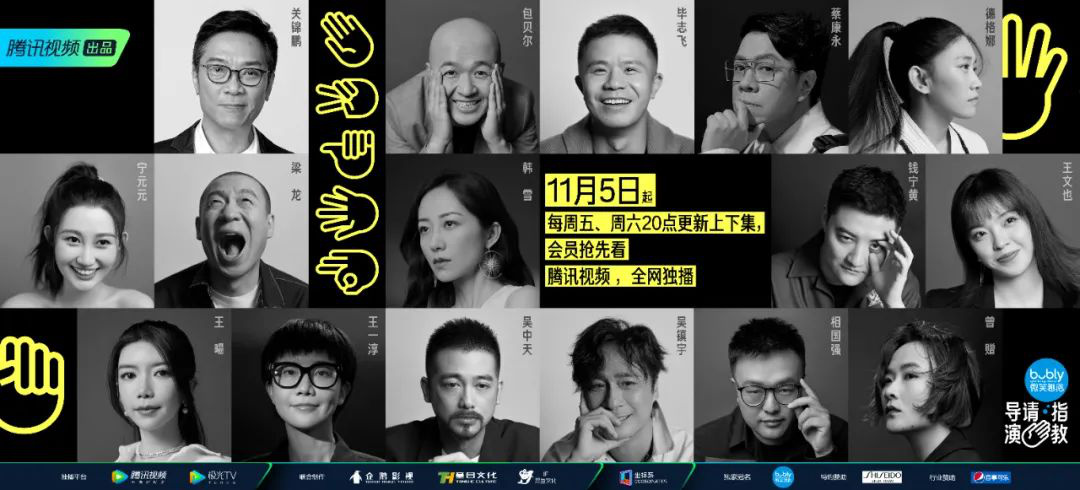
Defining the film and television industry directly through a variety show is that netizens are expressing an emotion and cannot take it seriously. However, from the technical level and expression, "Please advise the director" does have many unsatisfactory aspects. What is the value of this variety show? Do we really need to make a variety show behind the scenes?
Who was given the agreed "opportunity"?
If we look at the official meaning-the program hopes to provide directors with a low-cost trial and error opportunity that can get the most direct and rapid market feedback, tap and support outstanding directors, and help them stand out through this platform-the existence of "Please Advise Directors" seems to be reasonable.
After all, at present, the film and television industry, which was already in the middle of winter, is even worse. There are countless bankrupt companies, unemployed peers can be seen everywhere, and many long-established directors are in trouble. Based on this, young filmmakers need more exposure opportunities. There are still fewer pits that venture capital can provide.
Therefore, a variety show that can provide opportunities for young directors seems to be a good prescription. At least, it is also a "powerful pill". What’s more, it is working with a head platform like Tencent Video. Although the variety show of acting competition is very big, those outstanding actors still get the opportunity and gain recognition.
But after watching the pilot film and the first program, I suddenly felt cheated. The so-called "mining and supporting outstanding directors" is more like an empty talk to attract investment. Although the short films of 16 directors have not been completely unveiled, it is certain that there may be a lot of hot searches for topics, and the ultimate goal is difficult to achieve.
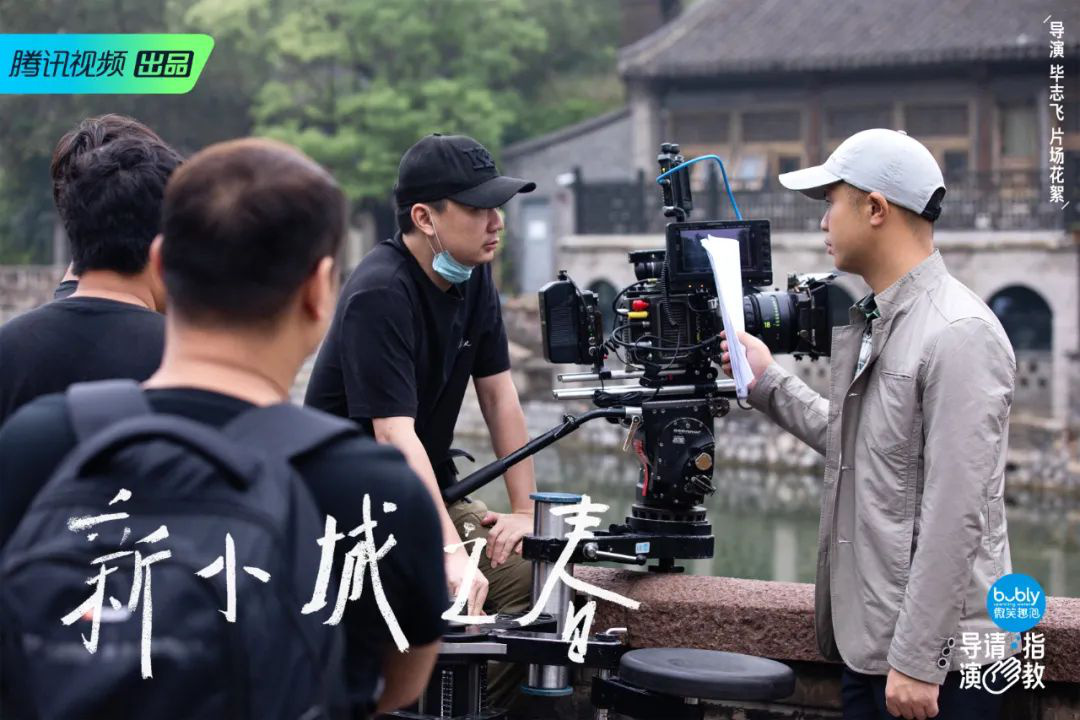
A total of 16 directors were invited to "Directors’ Advice", which were divided into several categories according to different standards.
First of all, Guan Jinpeng is unique. Although I don’t know why he came to the show, a director of his level will have to take the position of producer when he comes. Jing Wong sat, so did Guan Jinpeng.
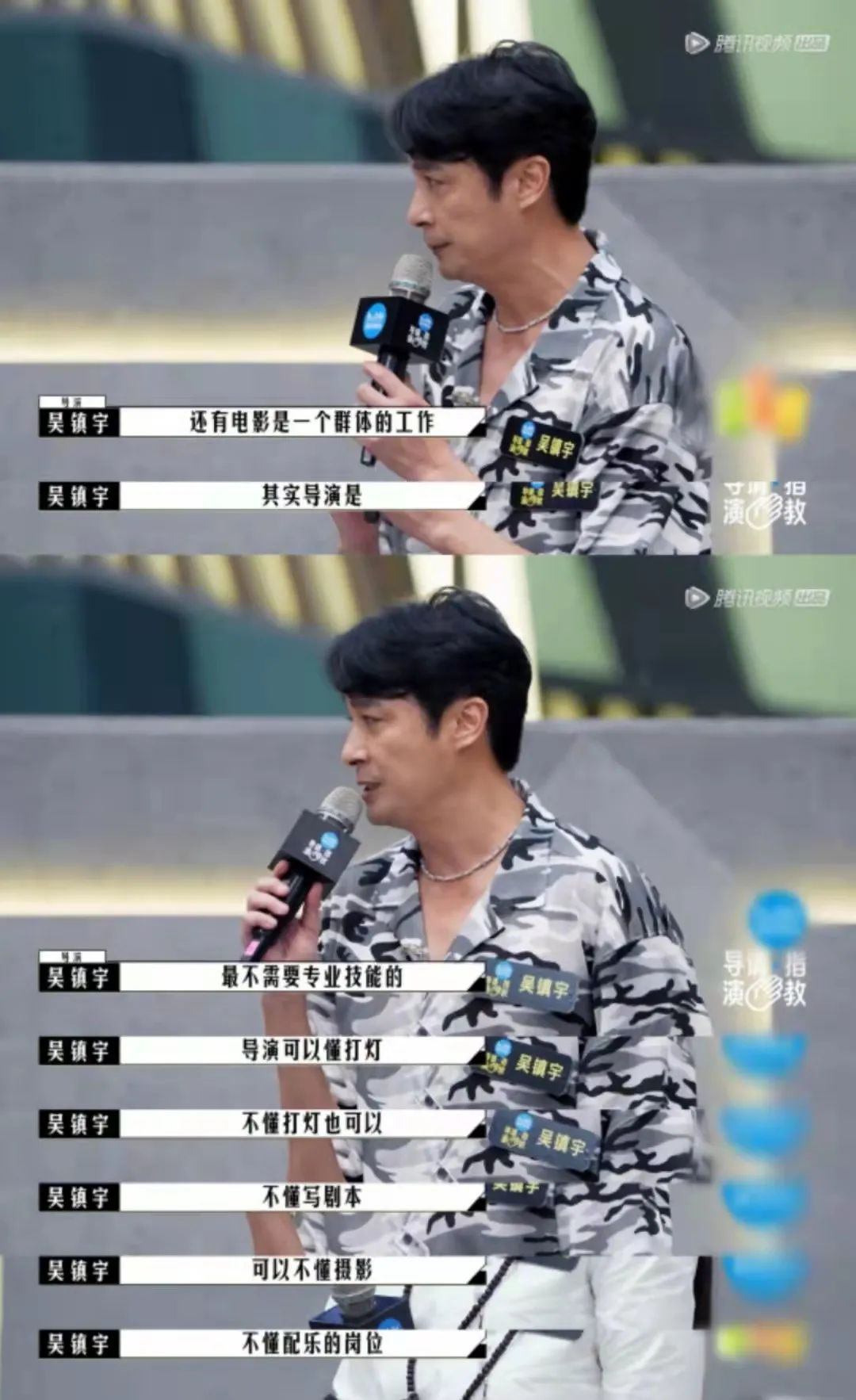
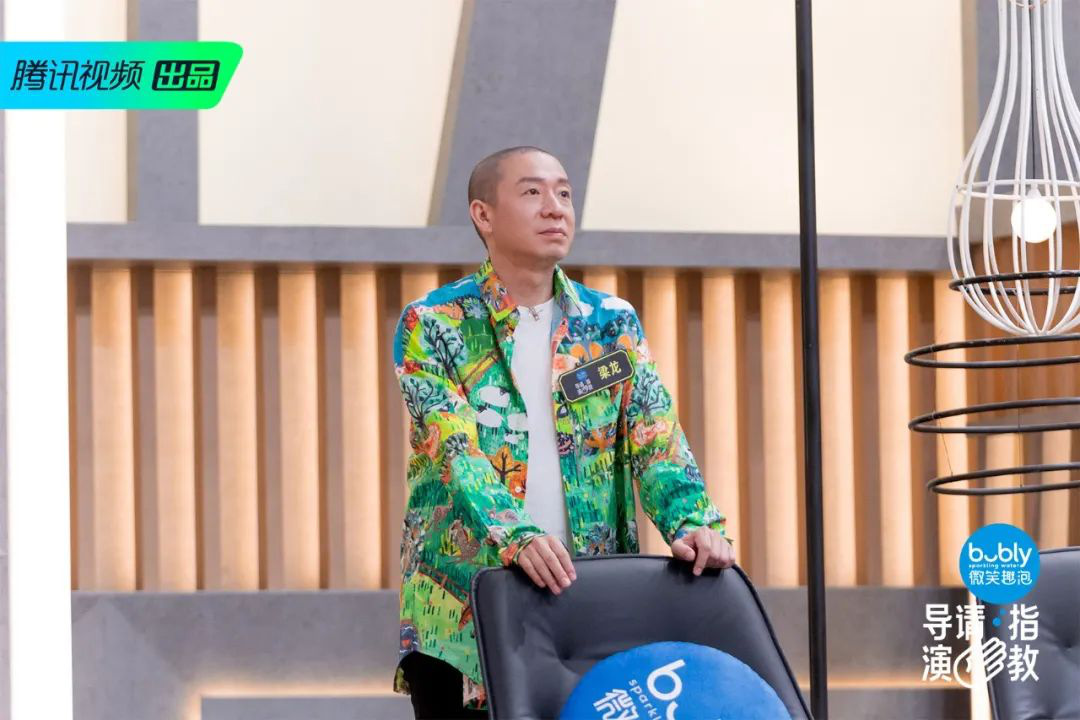
Secondly, there are cross-border directors such as Cai Kangyong, Cecilia Han, Liang Long, Wu Zhenyu and Wu Zhongtian. They want to make movies, which is much easier than other new directors. There is no need to participate in the competition. Cecilia Han, in particular, has all the top teams. Do you need to be supported?
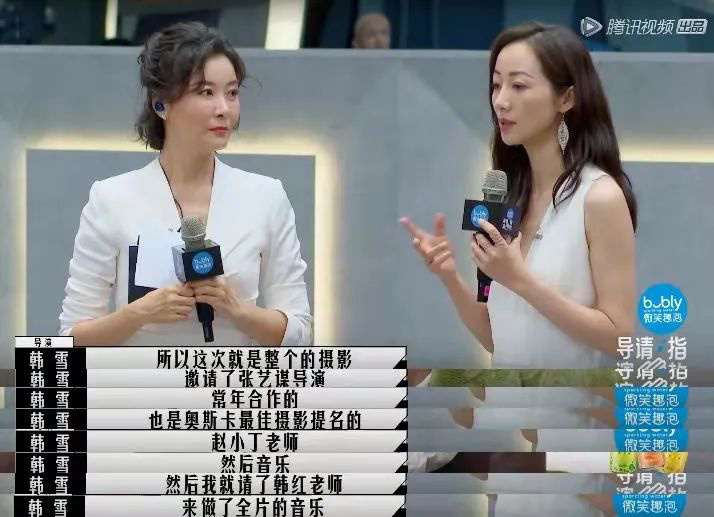
Ning Yuanyuan and Wang Wen are also "the second generation of the circle". Ning Yuanyuan’s father is the sixth generation director Zhang Yuan and his mother is the screenwriter Ning Dai. Wang wen also’s father is Wang Zhonglei, CEO of Huayi Brothers Media Group.
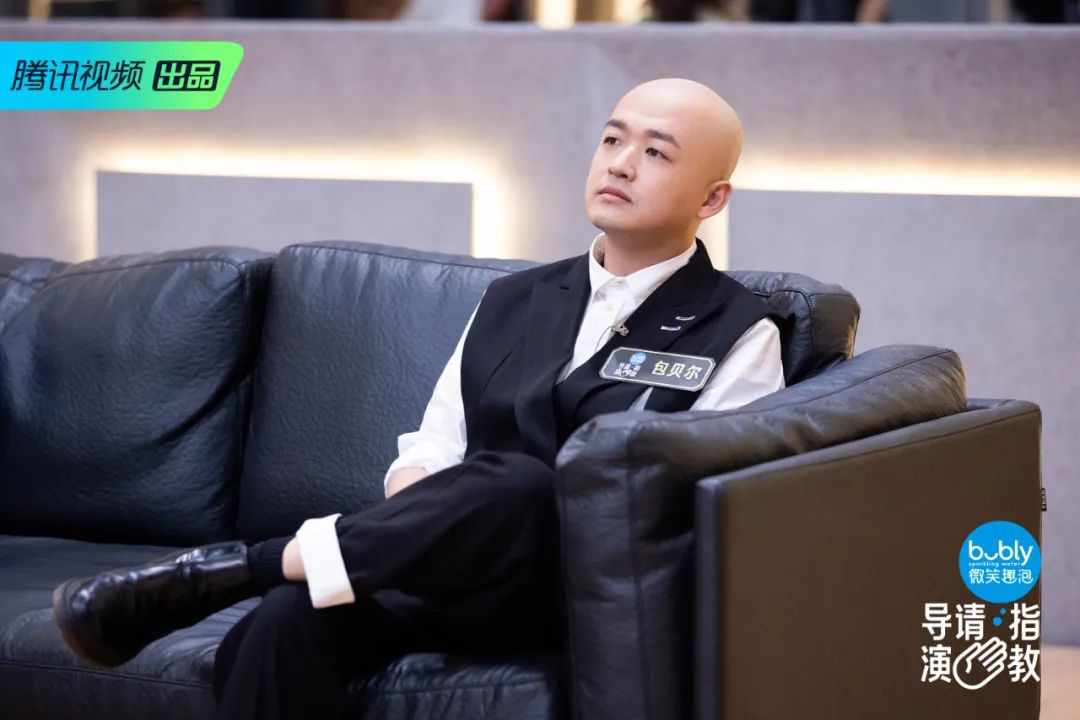
Guoqiang Xiang, Bao Beier and Degena have actually made film and television works, and they are quite famous.
Although Guoqiang Xiang is an academic, he fits in with the sense of the times. This year’s "Sudden Vacation" broadcast in bilibili is even more regarded as a "explosion" in the circle. In Bao Beier, two films, Fat Agents and Sunshine Sisters Amoy, have been shown on the big screen. Degena, on the other hand, is good at literary films, which is widely recognized by fans.
Counting, the real lack of opportunities is Zeng Zeng, Qian Ning Huang, Wang Yun and Wang Yichun. As for Zhifei Bi, this is more like a stunt specially hyped by the program group, and no one really respects him.
A variety show that gives newcomers the opportunity to direct, and few of the selected directors need opportunities; And young creators who really need opportunities can’t seem to break into this program. At this point, it might as well be a venture capital meeting. After all, no matter how few pits there are in the latter, it will always give you the opportunity to appear on stage.
Not to mention, the difficulty of this variety show is much greater than that of venture capital. It is not conducive to real creation and talent selection to hand over the specified works within a limited time. It is somewhat contradictory to ask for good content while pursuing a happy creator. On this program, Wong Kar-wai couldn’t get out of his head, and Yang Dechang also shouted humbled.
Who is instructing the director?
In addition to 16 directors, Please Advise Directors invited three groups of guests.
Among them, there are 50 professional film identification groups, including "fans" who are good at writing long film reviews and like watching movies, university teachers with professional counterparts, and creators in the industry who have had successful experience; There are 200 people in the public viewing group, representing the general audience; And the producer team composed of Fang Li, Jing Wong, Chen Zhixi and Hao Lei.
Including the director, the four groups form an industrial closed loop of producer-director-audience-film critic. The director produces works, the producer is responsible for the budget, the audience spends money on tickets, and the film critics talk about depth and value. But unfortunately, in "Please advise the director", everyone is an "appreciator", but the camp is different.
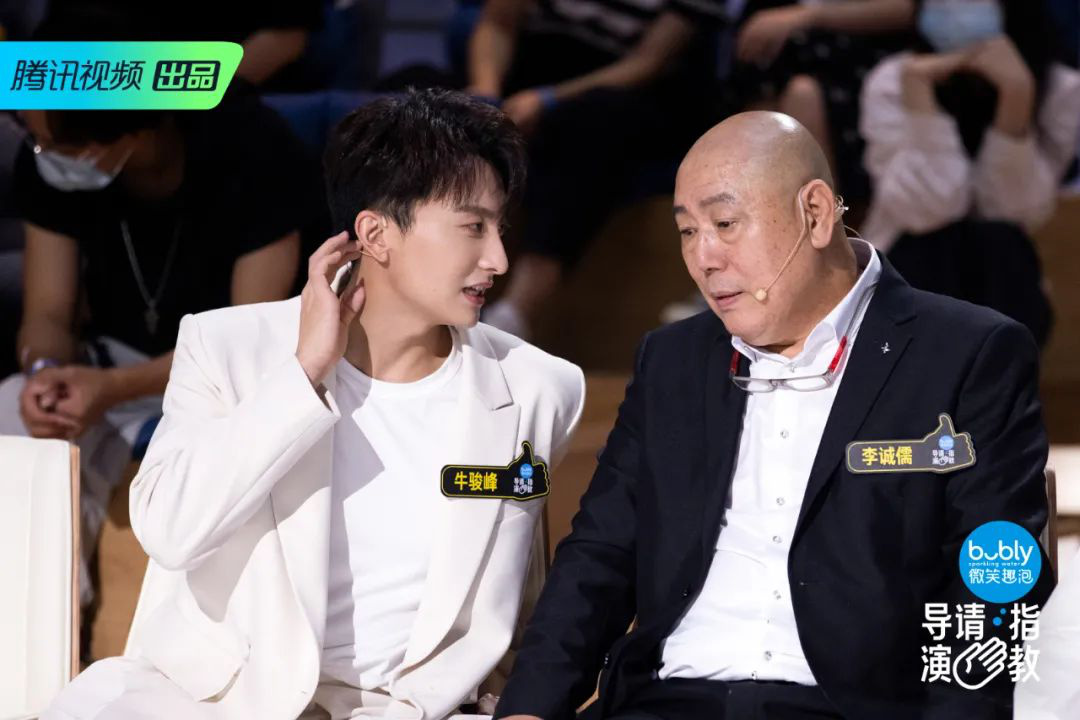
This leads to a very interesting phenomenon, and everyone can give opinions to the director.
What is even more frightening is that this "instruction" is an immediate feedback. Your short film may not be finished, and the audience will be stopped. Readers who often participate in the screening know that even if a movie is ugly, as long as the main creator is present, most viewers will not leave easily. This is a kind of respect and a basic courtesy.
Therefore, when Guoqiang Xiang and Zhifei Bi were constantly criticized on the stage and Liang Long didn’t even finish the short film, all netizens who love movies must feel a kind of inner sadness. These actions can’t promote the progress of the film industry, or even the progress of individual directors, but only produce hot searches.
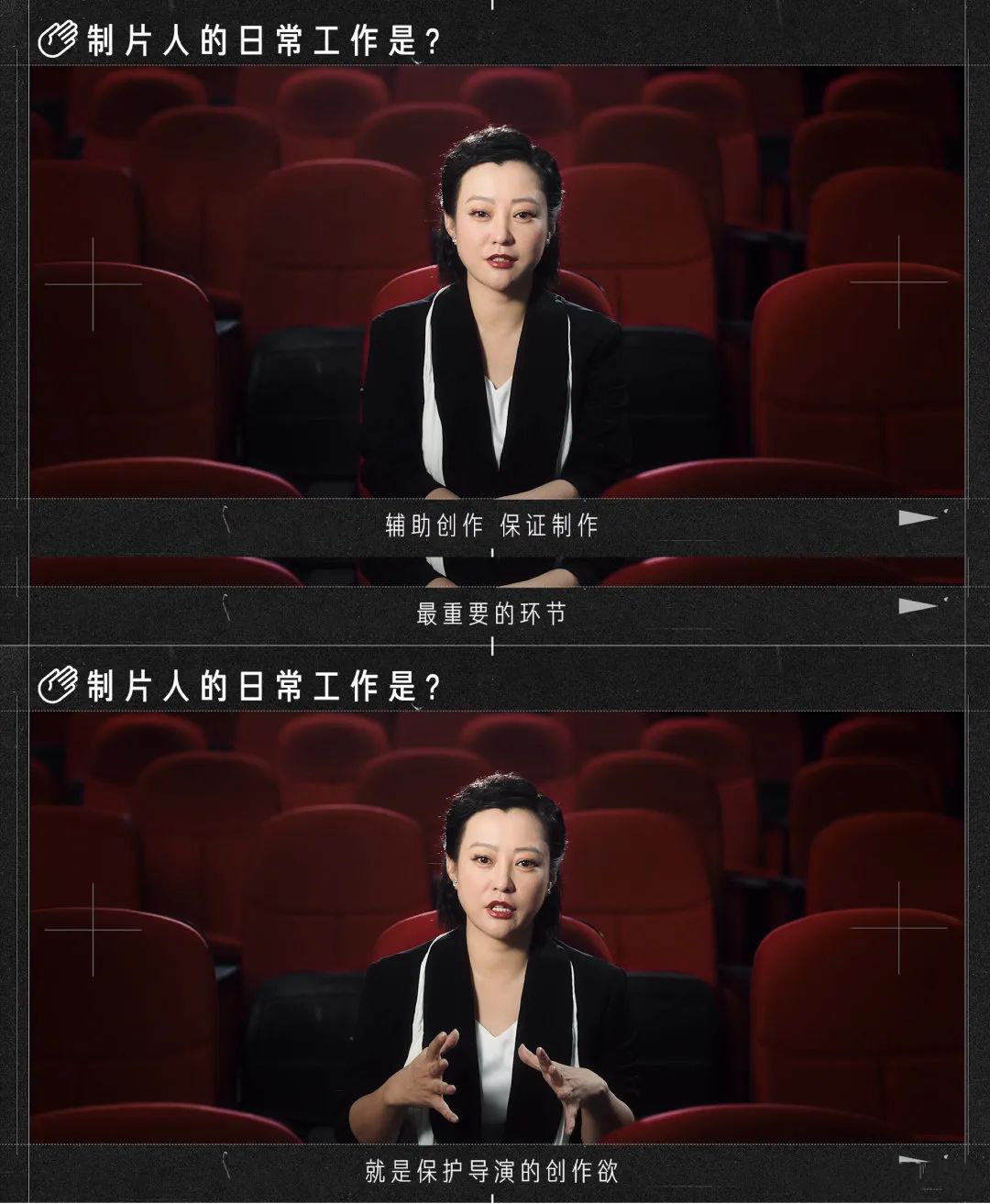
From the perspective of functional identity, producers choose projects, and hundreds of scripts pass through their hands every year. But they don’t necessarily know how to create. Of the four producers on the stage, Jing Wong is the most creative. But in the program, he is often in a state of "paddling". More often, they believe in the power of the market.
Screenwriter Chen Tong once said that some producers judge the quality of a script by whether they can invite big coffee. If you can knock it down, your book is good; If you can’t knock it, it means that "level" is not enough. An upstream worker comes downstream, then he is just an audience. You can provide some experience, but you should not cheat others by taking advantage of your position.
The same is true for actors. When Hao Lei and Li Chengru come to evaluate a work, should they divest themselves of their roles as actors? If it is not stripped off, the impact of this identity additionality will inevitably affect their judgment of ordinary audiences.
Who is qualified to teach the director? Abandoning the special functions of producers and "fans", there is only one answer: the audience. But who is being taught, the director himself or his works?
Roland barthes has a famous view that "the author is dead".
It means that when a work is finished, the author is already dead. When the connoisseur evaluates a work, the author’s sacred position no longer exists. However, this is not the so-called "audience-centered system", but means that the text can jump out of the author and enter a free interpretation space. Everyone can explain it.
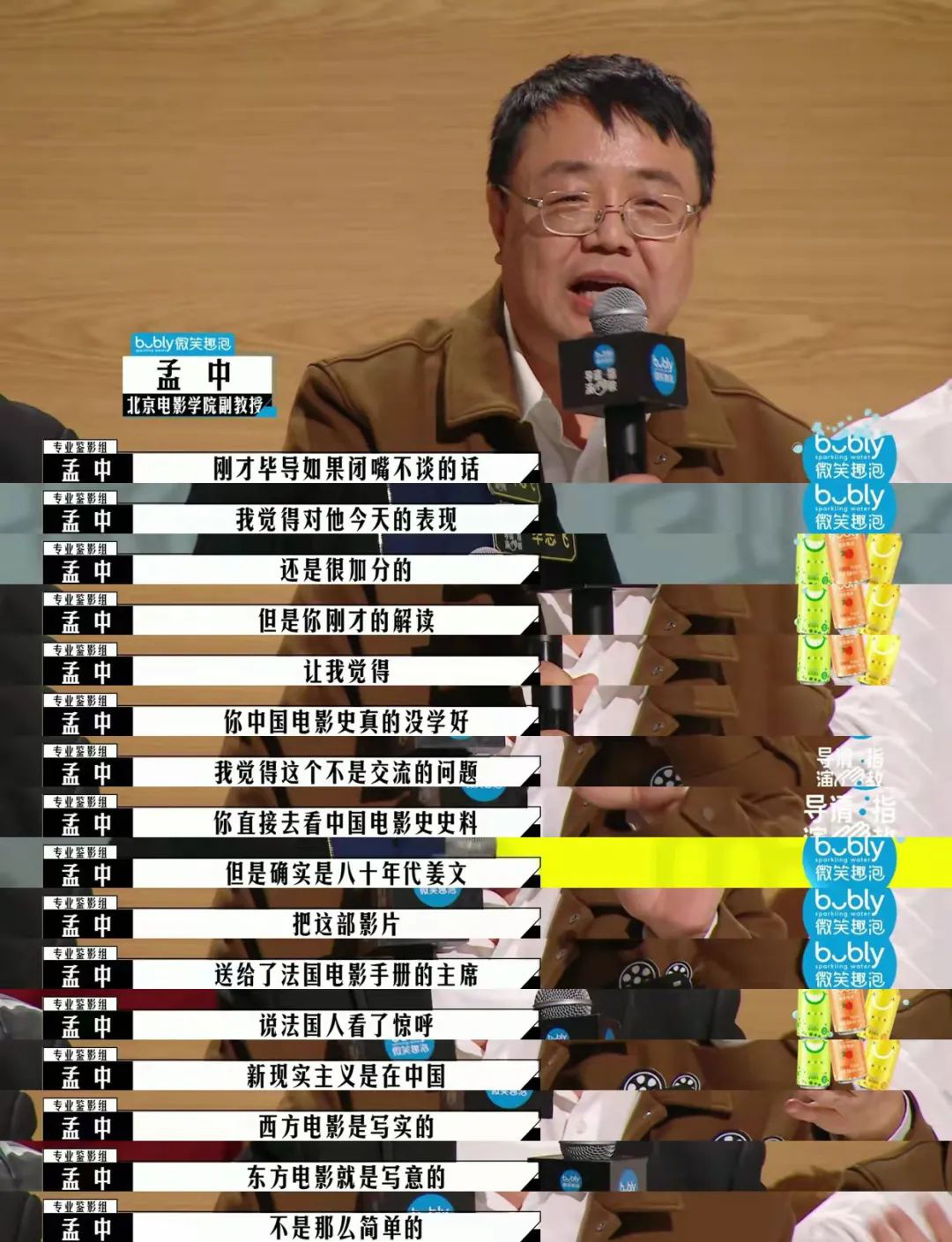
But "the author is dead" does not mean that you can play it freely. Judging from the first program, the appreciator’s comments on the works are entirely based on personal likes and dislikes, and there is no unified evaluation standard.
With Nezha, Guoqiang Xiang and Bao Beier are different. Bao Beier is not short of funds, and Guoqiang Xiang is very poor. In terms of image effect, Bao Beier is more natural and comfortable. But this is not the only criterion to judge the quality of a film. Needless to say, literary films and commercial films should not be compared together.
Moreover, since it is exam-oriented education, shouldn’t we provide unified stationery?
There is no natural opposition between the audience and the film critics. The biggest stunt of the first program is the different opinions of the professional film identification group and the popular movie viewing group on Liang Long’s short film "Crazy Alien". The former thinks it is a moving work, while the latter thinks it is puzzling, "I can’t understand it".
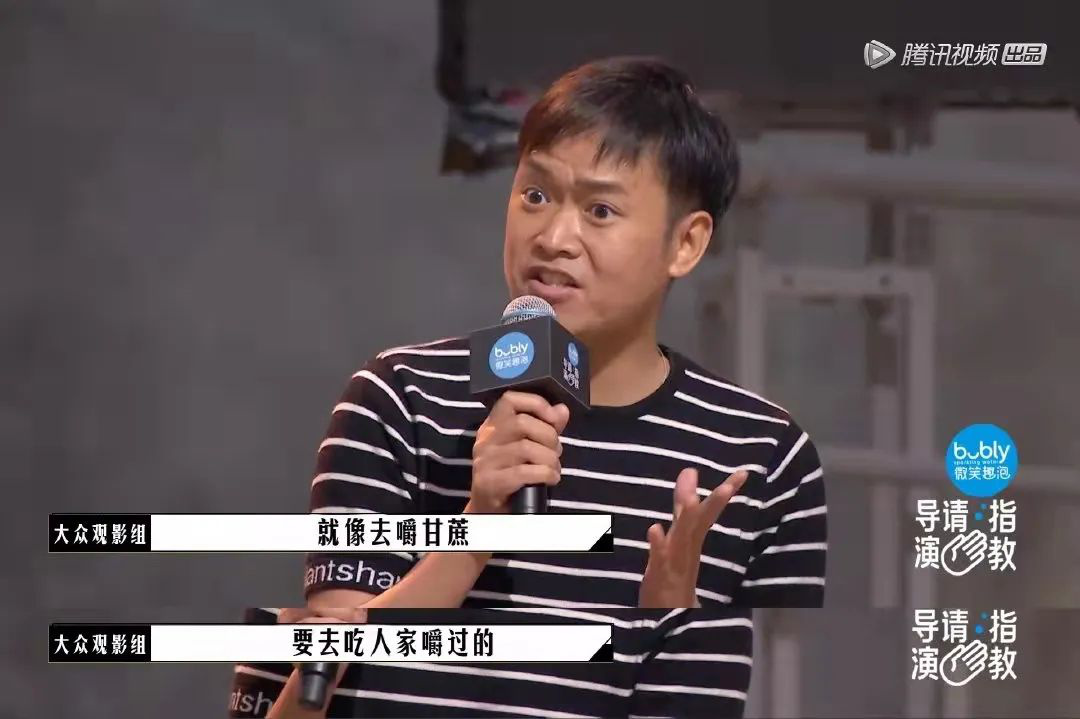
But judging from the final score, there is not much difference between the likes and dislikes of the two.
The attendance rate of the public viewing group was 45%, and the attendance rate of the professional film critics who criticized the audience for not knowing art was 58%, and they all failed. That’s the question. Why did such a big contradiction arise? Who’s lying?
Is it really meaningful to make a variety show behind the scenes?
In the process of watching "Director’s Advice", I have been thinking about two questions: What is the value of this variety show? Do we really need to make the behind-the-scenes details of the film and television industry into a variety show? In fact, these two questions are closely related. To answer them, we must first think about the original intention of the platform to do this variety show.
Looking at the essence through the phenomenon, it is not difficult to understand that the platform "selects directors" through variety shows. On the one hand, video websites have wanted to get involved in the film industry for a long time. In recent years, the relationship between overseas streaming media and movies has become more and more "sweet". Domestic streaming media also want a piece of the action. For example, Iqiyi launched "Iqiyi produces movies".
The platform needs more and more good directors to do things for themselves. However, judging from the two dimensions of "ultimate goal" and "judging process" in the previous article, the chance that this heavy consideration can be achieved is temporarily zero.
On the other hand, this can also be regarded as a simple plan. Can you choose a good director? Let’s ask Zhifei Bi to shoot a short film and Li Chengru to evaluate it. At least the popularity can be guaranteed. However, judging from the current amount of Tencent video in the foreground, the data is not optimistic. Hot search is on, but not many people watch it.
If you ask me, "Director’s Advice" presents the common problems of domestic variety shows today: paying more attention to the technique than the Tao, and paying less attention to the basics and chasing the end. In other words, most programs nowadays only focus on form, ignoring the deep cultivation of content. Competitive variety shows are a typical example. If choosing an actor on TV can at least give more opportunities to those young actors who have been ignored; Then, choosing a director is completely contrary to this original intention.
On the whole, the "director’s draft" is an operation under the capital logic. The film and television industry can’t lack capital, but it can’t be bound by capital, let alone think about using capital and being above it. The premise for a director to pursue his own film aesthetics is the effective control of funds. The recent failure case, the first to push the word-of-mouth low "Eternal Family". The directors who won the Oscar all made a "four unlike".
If you really want to shoot behind-the-scenes variety shows, what rules should you follow?
First of all, it should be more reasonable in cultural science popularization, rule setting and communication mode.
Audiences watch variety shows for entertainment, but not to see "monkey tricks". The contradictions and gossip that netizens care about are more based on actors-they have strong exposure-rather than everyone. In fact, few people care about the conflict between the director and the producer. It’s better to play by the rules than to stir up heat.
Secondly, return the focus of the program to the content itself. Caesar’s belongs to Caesar, and culture belongs to culture.
At this point, it is better to learn from last year’s "A New Life in Drama". Compared with movies, drama is more niche in China. There may be less than a handful of drama schools in China.
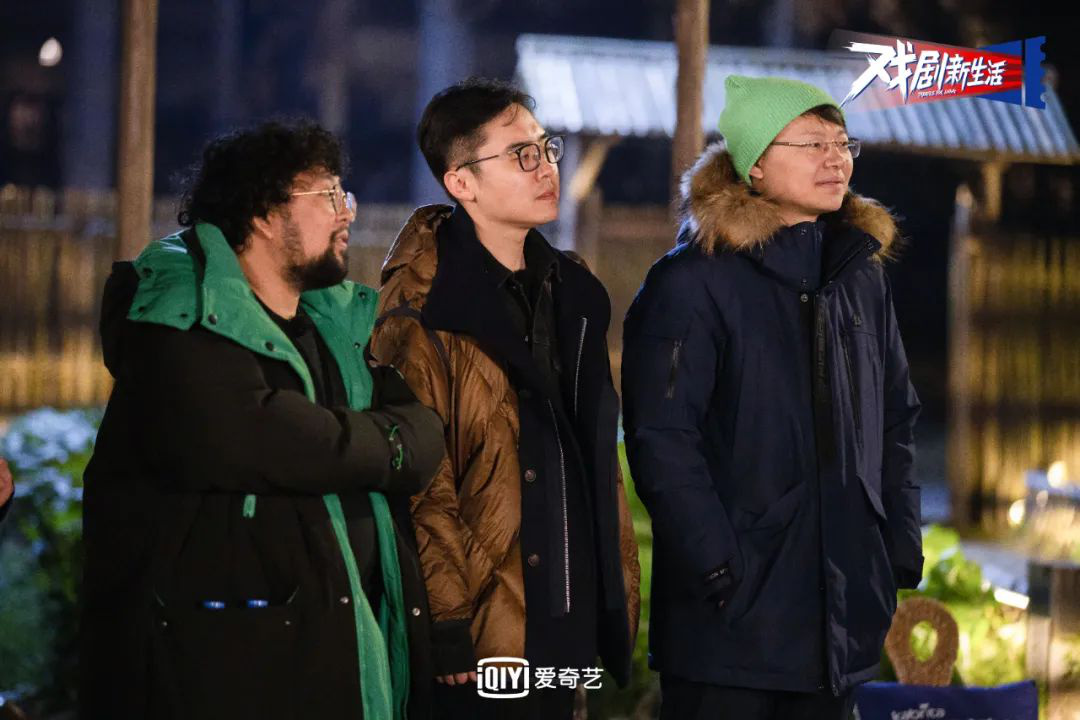
However, such a variety show has "broken the circle" several times and gained recognition from people in the industry. Whether it has the effect of letting the audience enter the theater or not, at least it has popularized drama to the general public.
In the final analysis, whether it is film or variety, form or service for content. The establishment, promotion and breakthrough of quality should first start from the conception and skeleton, and then the interesting rules of the game and the hustle and bustle.
◐
